
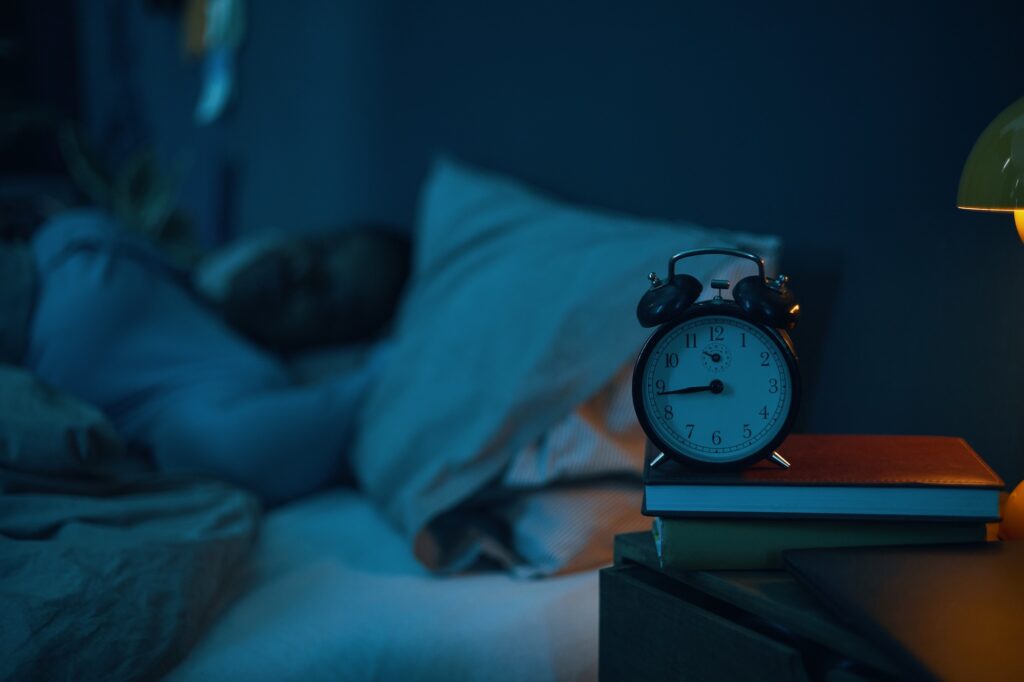
You fall asleep just fine. Then suddenly, you’re awake.
You glance at the clock: 3:07 a.m.
If this keeps happening, it’s easy to wonder: Why am I always waking up in the middle of the night? Brief awakenings are actually a normal part of sleep. The bigger issue is when you can’t fall back asleep or if interrupted sleep starts affecting how you feel the next day.
Here are a few things that could be contributing.
Your Sleep Changes Throughout the Night
Sleep happens in cycles, moving through lighter sleep, deeper sleep and REM sleep. As morning gets closer, you tend to spend more time in lighter stages of sleep, making it easier for something to wake you. That’s why temperature, noise, discomfort or other factors you slept through earlier in the night may suddenly get your attention.
You May Be Too Warm
Your body naturally cools as you sleep. A warm bedroom, heavy bedding or night sweats can make staying asleep more difficult. Try keeping your bedroom comfortably cool and using bedding that makes it easy to adjust your temperature during the night.
Hormonal Changes Can Play a Role
For women in perimenopause and menopause, changes in sleep can become especially noticeable. Hormonal changes can affect sleep, while hot flashes and night sweats can lead to more frequent awakenings. If nighttime waking is happening alongside other changes such as irregular periods or hot flashes, consider discussing it with your healthcare provider.
Is Food or Alcohol the Problem?
That glass of wine may make you sleepy initially, but alcohol can contribute to more fragmented sleep later in the night. Food can matter, too. Large meals close to bedtime or foods that contribute to heartburn or reflux may make it harder to stay comfortable throughout the night. Pay attention to whether your sleep changes based on what and when you eat or drink.
What If You Wake Up and Can’t Get Back to Sleep?
Try not to watch the clock. Seeing the minutes tick by can quickly turn a normal awakening into frustration about how much sleep you’re losing. Keep the room dark and quiet and give yourself a chance to fall back asleep naturally. If you’re awake for an extended period, briefly getting out of bed and doing something quiet in dim light may help.
Looking for Natural Support for Occasional Sleeplessness?
Liddell Insomnia is a convenient homeopathic oral spray formulated to temporarily relieve symptoms associated with occasional sleeplessness, including difficulty falling asleep, restlessness and interrupted sleep. For women experiencing symptoms associated with menopause, Liddell Menopause provides targeted homeopathic support for common menopausal symptoms.
When Should You Talk to Your Doctor?
An occasional restless night happens to almost everyone. But talk with your healthcare provider if interrupted sleep becomes frequent, affects how you function during the day or occurs alongside other new or concerning symptoms.
Claims are based on traditional homeopathic practice, not accepted medical evidence. Not FDA evaluated. Individual responses may vary, and this product may not work for everyone.
These statements have not been evaluated by the Food and Drug Administration. These products are not intended to diagnose, treat, cure, or prevent any disease.
 Homeopathic FAQs: What To Know
